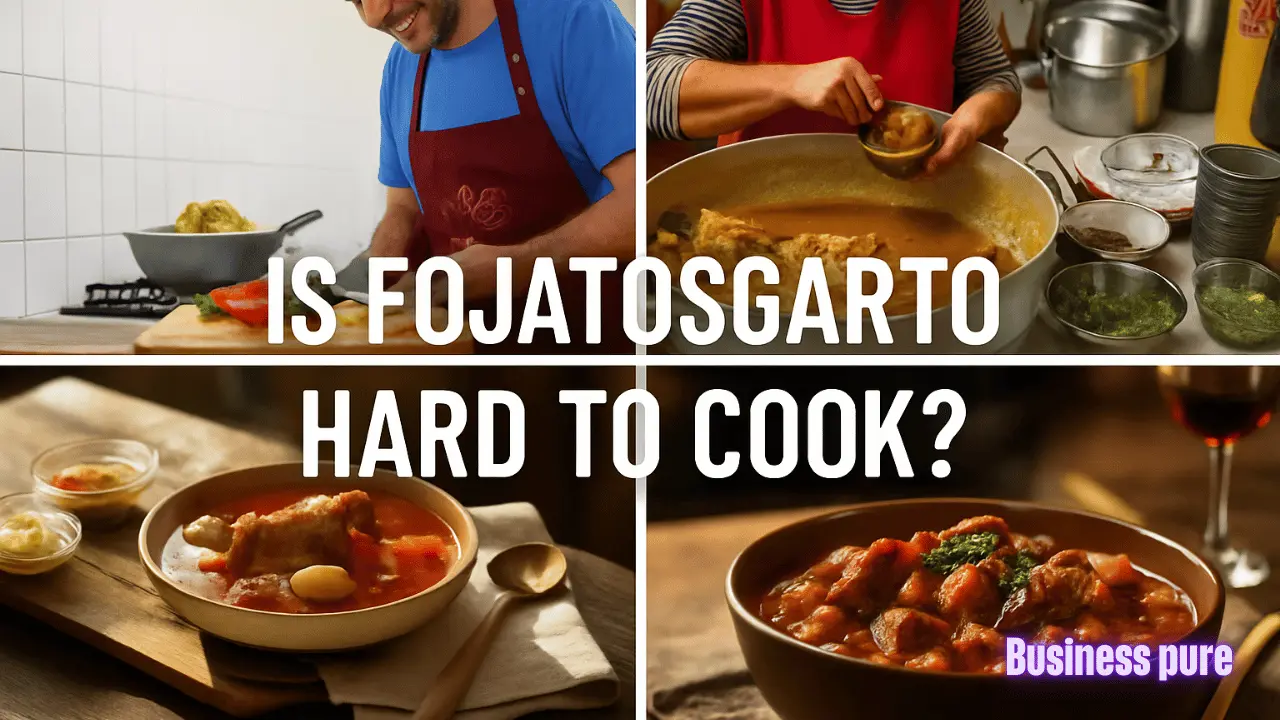

The name Fojatosgarto sounds intimidating, exotic, and complicated — so much so that many first-time cooks hesitate before attempting it. But appearances can be deceiving. In reality, Fojatosgarto is a hearty, slow-cooked dish whose complexity lies more in time than in technique. Its rich flavors emerge gradually, rewarding patience rather than skill.
For home cooks familiar with basic sautéing, simmering, and seasoning, Fojatosgarto is surprisingly approachable. The real challenge is often psychological: the unfamiliar name and the association with traditional, elaborate recipes.
Once you break down the steps, you’ll discover that this dish is a perfect introduction to slow-cooked, flavorful meals that impress without requiring mastery of complicated techniques. This article explores why Fojatosgarto is easier than it seems, and how even beginners can successfully prepare it.
What Is Fojatosgarto?
Fojatosgarto is a rustic, stew-like dish traditionally made with meat, onions, and a paprika-based sauce enriched with a creamy component. While variations exist, the fundamental idea is simple: slow-cook your ingredients to create tender, flavorful results. Common ingredients include:
- Meat such as pork belly or chicken (or plant-based alternatives for vegetarian versions)
- Onions, garlic, and sometimes peppers or other vegetables
- Paprika and other spices for depth and warmth
- A creamy finishing component like sour cream or yogurt
This dish belongs to a family of slow-cooked comfort foods that focus on flavor development over time, rather than on precise technique. Its charm comes from layering ingredients and letting them simmer until they merge into a rich, satisfying meal.
Why Some People Think Fojatosgarto Is Hard
Despite its simplicity, Fojatosgarto intimidates many home cooks for several reasons:
- Exotic-sounding name: The unfamiliarity can make it feel complex before you even start cooking.
- Multiple cooking stages: Browning meat, sautéing aromatics, simmering, and adding a creamy finish may seem overwhelming.
- Fear of overcooking or under-seasoning: Concerns about burning spices, curdling cream, or creating a watery sauce can add stress.
- No single “standard” recipe: Variations in meat, spices, or cooking time can confuse beginners about the “correct” method.
These factors create a perception of difficulty that isn’t supported by the actual cooking process.
Why Fojatosgarto Is Actually Approachable
Once you break it down, Fojatosgarto is surprisingly beginner-friendly:
Simple Techniques
All you need are basic kitchen skills: sautéing onions and garlic, browning meat, simmering, and tasting for seasoning. No advanced techniques are required.
Flexible Ingredients
You can easily adapt the recipe to what you have on hand. Substitute different meats or vegetables, use alternative creamy finishes, and adjust spices according to taste.
Forgiving Timing
The slow-cooked nature of the dish allows for some flexibility. A few extra minutes of simmering won’t ruin the flavor, making it less intimidating for beginners.
Flavor Through Patience
The richness develops gradually. Even novice cooks can produce complex, satisfying flavors by simply following the steps and letting the dish cook slowly.
Common Challenges and How to Overcome Them
| Challenge | How to Handle It |
|---|---|
| Burning spices | Add spices on low-to-medium heat and stir constantly. |
| Sauce splitting | Temper creamy components and stir gently; reduce slowly. |
| Over-seasoning | Season gradually, tasting as you go. |
| Undercooked meat or vegetables | Slow simmer until fully cooked; don’t rush the process. |
These obstacles are manageable and shouldn’t deter beginners from trying the dish.
When Fojatosgarto Is Perfect for Beginners
- You want a dish that is hearty and comforting.
- You have basic kitchen tools and staple ingredients.
- You are willing to invest time rather than relying on technical skill.
- You want a versatile recipe that can adapt to dietary preferences.
- You seek to develop confidence in slow-cooking and flavor layering.
Step-by-Step Overview
- Prepare Ingredients: Chop onions, garlic, vegetables, and cut meat or alternatives.
- Brown Meat: Lightly sear for depth of flavor.
- Sauté Aromatics: Cook onions, garlic, and other vegetables until soft.
- Add Spices: Stir in paprika or other seasonings carefully over low heat.
- Combine Ingredients: Add meat, vegetables, and liquid (water, broth, or stock) to the pot.
- Simmer Slowly: Reduce heat and let the mixture cook gently until flavors meld and meat is tender.
- Finish with Cream: Stir in sour cream or substitute and gently combine until smooth.
- Serve: Pair with bread, rice, or potatoes for a complete meal.
Following these steps ensures a delicious result without stress.
Tips for Success
- Keep the heat moderate to prevent burning.
- Taste frequently and adjust seasoning gradually.
- Be patient — the longer it simmers, the richer the flavor.
- Don’t worry about minor deviations; slow-cooked dishes are forgiving.
- Adapt ingredients to what’s on hand — flexibility is part of the charm.
Read More: Embracing Digital Freedom AlternativeWayNet Steve
Conclusion
Fojatosgarto may seem intimidating due to its name and traditional roots, but it is fundamentally an approachable, slow-cooked comfort dish. Its complexity is rooted in time and patience, not technical skill. With basic kitchen techniques like sautéing, simmering, and seasoning, home cooks of all levels can create a deeply flavorful meal.
The dish’s forgiving nature allows for flexibility in ingredients and timing, while the gradual layering of flavors ensures a rich, satisfying result. Even beginners can master it by following simple steps, paying attention to seasoning, and letting the dish cook slowly.
Fojatosgarto offers a rewarding cooking experience that builds confidence in the kitchen while delivering a hearty, soul-warming meal. For anyone willing to invest patience over precision, this dish is an ideal addition to a home cook’s repertoire — simple, adaptable, and incredibly satisfying.
FAQs
1. Is Fojatosgarto hard for beginners to cook?
No, it’s beginner-friendly. Basic skills and patience are enough to make a delicious dish.
2. Do I need special spices or ingredients?
Not necessarily. Common pantry items work well, though traditional paprika adds authentic flavor.
3. How long does it take to cook?
About 60–90 minutes, depending on meat or vegetable choice and simmering time.
4. Can I make it vegetarian or with alternative proteins?
Yes, vegetables, tofu, or legumes work well with the same cooking method.
5. What is the most challenging part?
Patience is key. Avoid rushing the simmering process and carefully manage spices and creamy components.