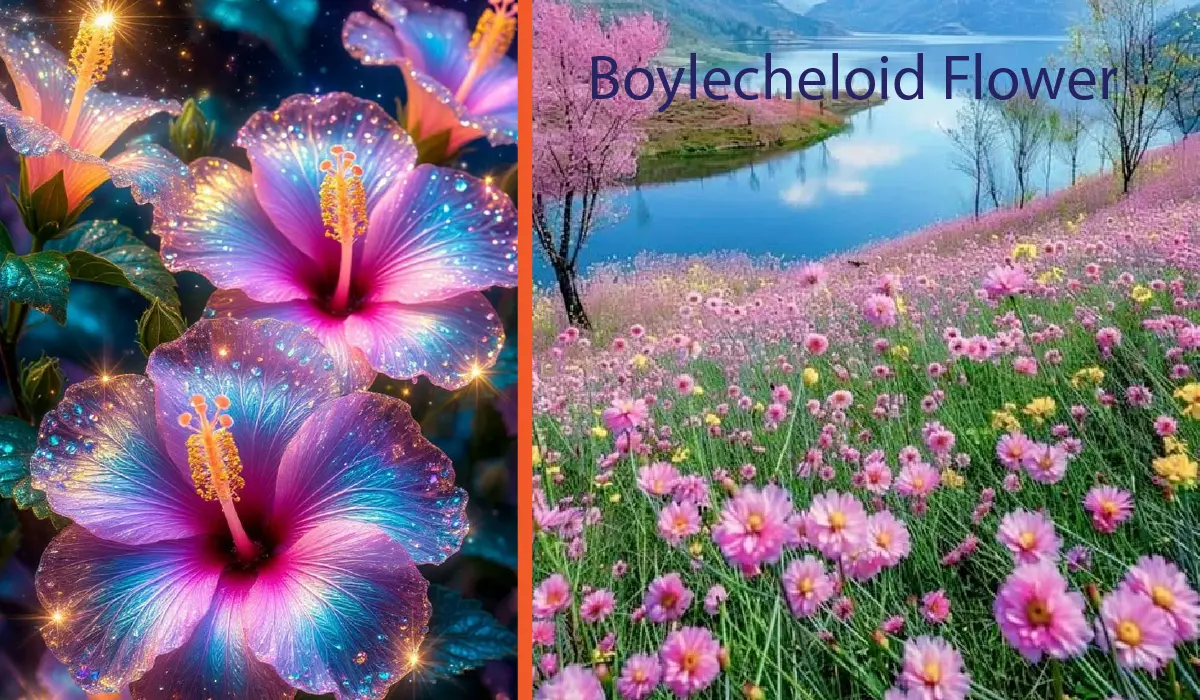

The Boylecheloid Flower is a name that evokes mystery, elegance, and rarity. Often described as a flower with spiraling petals, shifting colors, and a subtle, enchanting fragrance, it has captured the imagination of plant enthusiasts, storytellers, and artists alike. Many claim that it blooms only under special conditions in remote valleys or secluded mountains.
But is this mystical flower real, or is it purely a product of human imagination? In this article, we explore the legend of the Boylecheloid Flower, examine the scientific reality, discuss its symbolic meaning, and suggest real-world alternatives that can bring the magic of Boylecheloid into your garden.
The Myth of Boylecheloid
Stories of the Boylecheloid Flower describe it as one of nature’s rarest and most captivating creations. According to the myth:
- Its petals are sculptural, spiraling, and unlike any common flower.
- The color of its petals shifts throughout the day, ranging from deep crimson at sunrise to violet at dusk, and even bluish at night.
- It emits a delicate fragrance, often compared to vanilla, fresh rain, or sandalwood.
- It grows only in hidden valleys, remote forests, or high mountains, away from human observation.
- Some tales suggest it blooms once every several years, making it extraordinarily rare.
These descriptions create an aura of exclusivity and wonder, which is why the Boylecheloid Flower has become a popular subject in art, literature, and online storytelling.
Scientific Perspective: Does Boylecheloid Exist?
Despite its allure, there is no scientific evidence that Boylecheloid exists as a recognized plant species. Key points include:
- Botanical records contain no species named “Boylecheloid.”
- No herbarium specimens or DNA samples have been collected.
- Images circulating online are often misattributed or edited from other flowers.
- The traits described in myths, like extreme color shifts or rare blooming cycles, are biologically unlikely.
In reality, Boylecheloid appears to be a product of folklore and creative storytelling rather than a scientifically verified flower.
Why the Myth Persists
Even though the flower may not be real, its story continues to captivate audiences. Several factors contribute to this:
- Symbolism: Boylecheloid represents rarity, transformation, beauty, and resilience.
- Romanticization of nature: Giving a flower mystical qualities elevates it to a symbol of wonder.
- Digital storytelling: Social media and blogs amplify myths, making them viral.
- Emotional appeal: People are drawn to beauty and mystery, and the myth satisfies that fascination.
The legend of Boylecheloid thrives because it speaks to the human desire for something extraordinary.
Real Flowers That Capture Boylecheloid’s Essence
While Boylecheloid may not exist, some real flowers share its magical qualities:
- Cosmos bipinnatus (Garden Cosmos): Delicate petals in pink, white, and crimson, offering an ethereal look. Easy to grow in sunny areas with well-drained soil.
- Orchids: Exotic shapes and rare colors evoke a sense of uniqueness similar to Boylecheloid.
- Hellebores: Subtle hues and mysterious blooms make them feel otherworldly.
By choosing flowers with unique shapes, delicate petals, or vibrant colors, gardeners can recreate the mystique associated with Boylecheloid.
Lessons from the Boylecheloid Myth
The story of Boylecheloid teaches us several things:
- Imagination is powerful: Even a fictional flower can inspire creativity, art, and poetry.
- Symbolism matters: Myths can convey themes like resilience, rarity, and beauty.
- Critical thinking is important: Understanding the difference between myth and science is essential, especially in the digital age.
- Nature’s magic can be experienced: Even real flowers can evoke the wonder of the imaginary.
Ultimately, Boylecheloid reminds us that sometimes the magic lies not in reality but in the way we perceive and imagine the world around us.
Read More: Is Doxfore5 Real? Understanding the “Software Doxfore5 Dying
Conclusion
The Boylecheloid Flower remains an enchanting concept, celebrated not for documented blooms but for its symbolic power. Despite vivid descriptions of spiraling petals, color-shifting blossoms, and rare habitats, it is not a scientifically recognized plant. Instead, the myth has emerged from human creativity, storytelling, and fascination with rare beauty.
For those enchanted by the idea of Boylecheloid, planting real flowers like Cosmos bipinnatus or orchids can bring a touch of this magic into your garden. The story of Boylecheloid shows us that the true wonder of nature often lies as much in imagination and symbolism as it does in reality. It is a celebration of beauty, rarity, and the enduring human love for mystery.
FAQs
1. Is Boylecheloid Flower a real plant?
No. There is no botanical record or scientific evidence that the Boylecheloid Flower exists.
2. Why are its petals said to change color?
The color-shifting property is part of the myth. Real flowers do not display such extreme transformations naturally.
3. Which real flowers resemble Boylecheloid?
Cosmos bipinnatus, orchids, and hellebores have delicate petals, vibrant colors, and an ethereal look that can evoke Boylecheloid’s charm.
4. How can I grow flowers that mimic Boylecheloid?
Choose flowers with unique shapes or colors, plant in sunny well-drained areas, and care for them with proper watering and sunlight to achieve abundant, delicate blooms.
5. Why is Boylecheloid popular online?
Its allure comes from mystery, rarity, and symbolic beauty. Even without existing in reality, it captivates the imagination and inspires storytelling.